What one kilowatt-hour of Indian grid electricity actually costs the atmosphere
The honest answer for 2026 is about 0.71 kg of CO₂ per kWh, and it is falling. Here is where that number comes from and what it means for an EV.
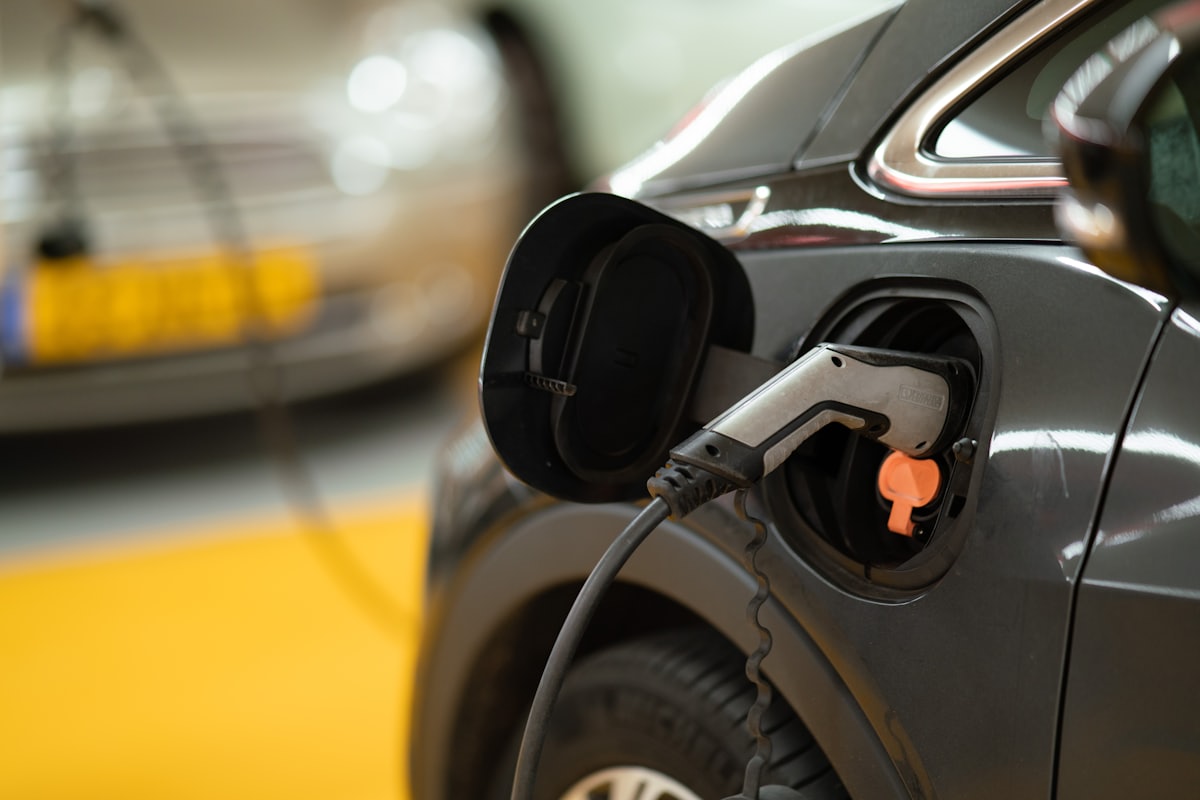
Every EV emissions argument eventually arrives at the same question: if the grid burns coal, is the car actually clean? The answer is yes, and it is worth understanding why rather than taking it on faith.
The grid emission factor
India's grid emission factor — the average CO₂ released per unit of electricity generated and delivered — sits at roughly 0.71 kg per kWh. That figure blends coal, gas, hydro, nuclear, wind and a rapidly growing solar share, and it accounts for transmission losses.
Running the comparison properly
A typical Indian EV uses about 6.5 kWh per 100 km in real conditions. At 0.71 kg per kWh, that is 4.6 kg of CO₂ per 100 km.
A comparable petrol hatchback returns around 18 km per litre. Burning a litre of petrol releases about 2.3 kg of CO₂, so 100 km costs roughly 12.8 kg — before counting refining and transport, which add another 15 to 20%.
So the EV is responsible for roughly a third of the tailpipe-equivalent emissions, on today's grid, with no local pollution in the city where it is driven.
The number keeps improving
This is the part that gets missed. A petrol car's emissions are fixed on the day it leaves the factory. An EV's emissions fall every year that renewables grow as a share of generation. The same car charged in 2032 will be materially cleaner than it is today, without anything changing about the car.
Manufacturing is real, and it is finite
Battery production is carbon-intensive — typically 60 to 80 kg of CO₂ per kWh of cell capacity. A 40 kWh pack therefore carries roughly 2.8 tonnes of embedded emissions. At an 8.2 kg saving per 100 km, that debt is repaid in about 34,000 km. Most cars in India cover that in three to four years.
Where charging time matters
Charging overnight, when demand is low and the marginal generator is usually not the dirtiest plant on the grid, is measurably better than charging at the 7 PM peak. Scheduled charging in the app exists for exactly this reason.